The psychological toll of gambling Understanding the hidden effects
The Illusion of Control
Many gamblers are drawn to the belief that they can control their luck or influence the outcomes of games. This illusion of control often leads individuals to gamble more frequently and for larger sums of money, as they believe that engaging in activities such as fun88 can boost their chances. They may believe that their skill or experience can turn the tide in their favor, disregarding the fundamental nature of chance that governs most gambling activities.
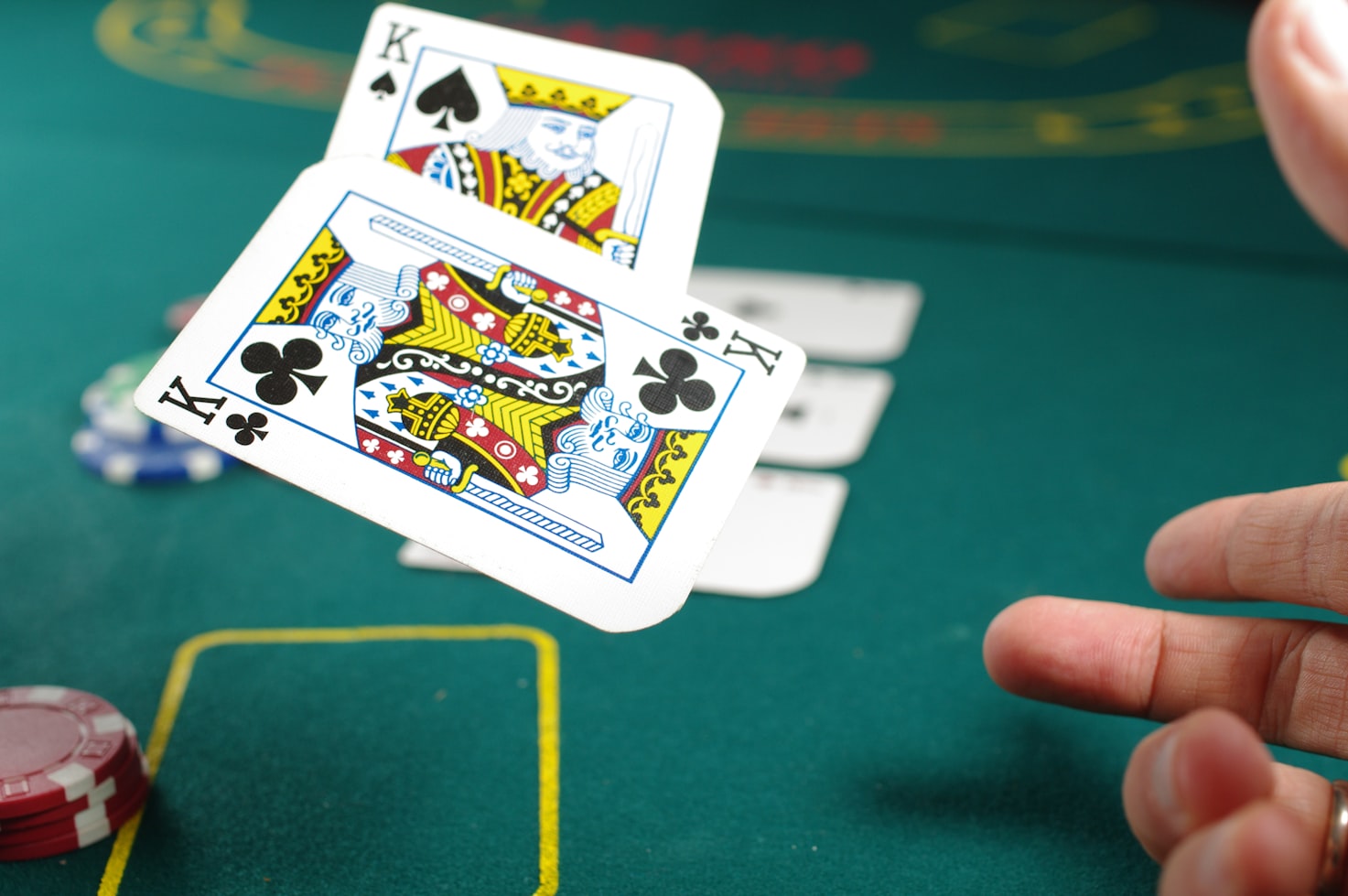
This mindset can create a cycle of compulsive behavior, where individuals chase losses, believing that the next game will be the one that turns their fortunes around. Unfortunately, this not only exacerbates financial problems but also contributes to heightened levels of stress and anxiety, affecting overall mental health.
The Emotional Rollercoaster
The emotional highs and lows associated with gambling can have profound psychological impacts. Winning can lead to euphoric highs, providing a temporary escape from everyday life and its challenges. However, losses often result in feelings of despair, shame, and guilt. This emotional rollercoaster can create a dependency on gambling as individuals seek to replicate the highs while attempting to avoid the lows.
The fluctuations in mood can lead to a range of psychological issues, including depression and anxiety disorders. In this way, gambling can become a coping mechanism, albeit a detrimental one, for those struggling with emotional or psychological challenges in their lives.
The Impact on Relationships
The psychological toll of gambling extends beyond the individual and can significantly impact relationships with family and friends. As gambling behaviors escalate, individuals may become secretive and withdrawn, leading to mistrust and conflict within relationships. Loved ones often feel the strain as they try to understand the compulsive behaviors and financial ramifications associated with gambling.
This strain can result in isolation for the gambler, further perpetuating feelings of loneliness and despair. The lack of communication can create barriers, making it difficult for individuals to seek help or support from those around them, thus worsening their psychological state.
The Road to Recovery
Recovering from the psychological effects of gambling requires a multifaceted approach. Many individuals find solace in therapy, where they can explore the underlying motivations for their gambling behavior. Cognitive-behavioral therapy, in particular, can be effective in helping individuals reframe their thoughts and beliefs about gambling, fostering healthier coping mechanisms.
Support groups also play a crucial role in recovery, providing a sense of community and understanding. Sharing experiences with others who have faced similar challenges can offer not only comfort but also practical strategies for managing urges and preventing relapse.
Understanding Our Mission
At our website, we strive to provide resources and information for individuals affected by gambling. We aim to raise awareness of the psychological toll that gambling can have and encourage discussions about mental health. By fostering a supportive community, we hope to empower those affected to seek help and understand the complexities of their experiences.
Our goal is to be a beacon of knowledge and support, guiding individuals towards healthier choices and better mental well-being. Through education and advocacy, we can help reduce the stigma surrounding gambling addiction and promote understanding of its psychological impacts.