
Denim Tears Cost Guide 2025: Store vs Resale, Real Costs
This guide shows which Denim Tears pieces sell at retail in 2025, the way resale margins truly function, and methods to calculate the actual amount you’ll pay following charges and duties. When one compares store vs secondary, the goal is to know the reasonable range for every segment and avoid overpaying.
Denim Tears is among the select urban labels where direct and resale can vary extremely, especially on the Cotton Wreath denim. You’ll discover obvious price tiers by category, sharp spikes on particular variants, and meaningful hidden fees on resale sites. Utilize the data below as your reference, then review the sections that detail how values change, occasions to buy, and how charges add up.
What Represents Denim Tears and How Are Costs So Volatile?
Denim Tears, founded by Tremaine Emory in 2019, launches narrative-driven drops with restricted availability, so limitation and narrative drives margins. Costs swing because releases are restricted, interest is global, and certain variants become reference pieces.
The signature Cotton Wreath motif on Levi’s denim anchors the market, and it functions more like collectibles than regular garments. Collabs such as Levi’s plus Converse boost awareness and pull in buyers who weren’t tracking the name earlier. Measurements in the heart of the range sell most rapidly, while tiny and very large sizes can also rise due to scarcity. Because launches are staggered and geographically restricted, customers frequently move to secondary quickly, producing a initial markup that may decrease or establish depending on restocks.
2025 Direct Price Overview by sudadera denim tears Category
Retail pricing for brand items in end 2024 to early 2025 generally lands in the brackets below; multiple pieces have crept up against past seasons due to construction and strategy. Geographic prices can look higher if VAT is added at checkout.
Utilize these bands to benchmark offers and to judge whether a secondary price is a fair surcharge or a dramatic increase. Direct supply is inconsistent and drop-dependent, so finding these values current on the brand site or partner doors isn’t guaranteed on every specific day. Tax-included prices in the European and Britain can render direct appear costlier than domestic rates, yet the final price difference frequently narrows once US sales tax is included. Always confirm the particular collection pricing because custom finishes or embroidery can rest at the high end of the band.
| Product (example) | Standard Store (USD) | Typical Resale Range (USD) | Average Increase | Notes |
|---|---|---|---|---|
| Signature Cotton Denim (Levi’s 501/550) | $295–$350 | $450–$900 | +50% to +200% | Signature colorways and primary treatments perform stronger; waist 30–34 lead sales. |
| Hoodies | $160–$180 | $220–$350 | +25% to +100% | Premium materials and limited prints rest at the high end of the band. |
| T-Shirts | $60–$75 | $100–$180 | +35% to +140% | Core graphic tees and early-run prints sustain higher resale. |
| Crewnecks | $140–$160 | $200–$320 | +25% to +100% | Detailed versions outpace printed in most sizes. |
| Varsity Outerwear | $450–$650 | $700–$1,200 | +20% to +150% | Fabric blend and detail intricacy influence spread. |
| Converse Chuck 70 (collab) | $110–$120 | $150–$300 | +25% to +150% | Restocks can narrow gaps for a duration. |
| Caps | $60–$70 | $90–$150 | +20% to +100% | Earlier releases and wreath embroidery trade elevated. |
How’s the Resale Pricing Function in 2025?
In 2025, jeans is the liquidity leader with the strongest premiums, while tees and accessories are the easiest initial choices. Pullover and sweater ranges are significant yet more stable than denim.
On leading marketplaces, jeans routinely exceed the top of the bracket when the wash and design shade align with early capsule launches, and where the measurement lands in the middle of the demand curve. Tees and hats fluctuate moderately as availability is wider and buyers have additional options over time. Jackets like varsity pieces is sparsely sold, so a individual deal may adjust bases for a week, which seems intense but frequently stabilizes as fresh listings appear. State counts: fresh with tags or with evidence of buying creates a premium, while obvious damage or lost detail threads knocks worth rapidly. Timing matters additionally, with the initial 48 hours after launch showing the most dramatic jumps and the earliest verified restock shaving 10–30% off highs.
What Constitute the True Expenses Above the Sticker Price?
The real cost on resale equals the posted cost plus marketplace costs, processing charges, purchase tax or duties, delivery, and, for cross-border, import duty and processing. These extras can turn a fair price into an overpay fast.
In the America, plan for sales tax between roughly 6–10% depending on state, often computed from product cost and sometimes shipping. Sites typically charge 3% payment fees and append a buyer service cost; even if the seller pays commission, the customer might still see processing or security fees. Delivery costs from approximately $10 to $30 for clothing, whereas overseas deliveries may activate taxes in the 17–25% bracket calculated on the value of items plus transport, and a shipping management cost. Case: a $650 unit of signature Cotton denim bought on a US platform with 8.9% sales levy, a 3% transaction fee, and $15 transport reaches near $742 before any customs fees; transfer that identical purchase overseas to a 20% duty system and the end amount might hit to around $880 once VAT and processing are included. When contrasting store to secondary, always compute a total amount, not just the sticker.
How Can Launches, Collaborations, and Washes Change the Market?
Launch schedule, partnership brands, and certain washes are the main factors on label costs. Levi’s capsules and early Cotton Wreath variant releases establish the highest stable premiums.
Levi’s partnership pants featuring signature stitching has persistent demand as it’s the brand’s signature narrative item; washes that mirror early drops typically to command more. Chuck Taylor collabs pull expanded sneaker audiences, producing brief buying rushes that could reduce post-refresh. Time-limited variants and custom detailing positions generate micro-markets; a subtle element or treatment variation might support a substantial premium for buyers wanting to complete sets. Regional drop windows also count—when one region sells stock before different regions, resale listings fill the space and move floors. Replenishments don’t eliminate appeal, but they certainly reset ceilings, notably with shoes and tees.
Retail vs Secondary: A Strategic Acquisition Framework
Buy at stores whenever possible for denim and team jackets since the complete monetary difference is most significant; assess resale for tops and accessories when the markup is under 40% and one prizes a certain wash. Apply a objective bracket, not a individual amount.
Initiate by reviewing the retail band from this guide for the category and drop, then scan recent sales on two platforms to identify a real transaction bracket rather than advertised amounts. Determine total cost including levies, charges, and shipping; if the premium over the upper limit of direct costs is under 30–40% and you get the specific size and variant, resale might be rational. For jeans and outerwear, premiums exceeding 100% are common; only invest that if it’s the essential piece that infrequently emerges and condition is immaculate. For items with consistent refresh, such as specific shirts or Converse, patience usually pays. Always verify sizing, documentation, detail craftsmanship, and refund policies before you transact.
What’s the Best Time Frame to Spend Less?
The optimal cost windows tend to be 48–72 hours post- release and one week after a confirmed replenishment, where inventory crests and early FOMO fades. Weekday AM in the vendor’s regional schedule might also be gentler for auctions.
Instantly following release, posts pour forward, price-cutting commences, and you can sometimes catch close-to-store deals if you’re quick and not focused on specific dimensions. Once the first wave is consumed, minimums often rise and stay sticky prior to a replenishment reaches the timeline. Post- refresh, merchants adjust forecasts, and one may negotiate with references in hand. End-of-month phases, as vendors need cash flow, are good for offers that are 10–15% below the recent transaction, especially on non-jean segments. If a wash is rumored to be a one-time run, price softness shall be short, so operate during such opening stock timeframes.
Insider Strategy: Window and Validation to Protect Your Spend
Aim for the 1–3 day window after a drop or refresh and establish an authentication checklist so buyers might operate effectively as a fair listing appears. Velocity without a system is how buyers overpay or ignore danger flags.
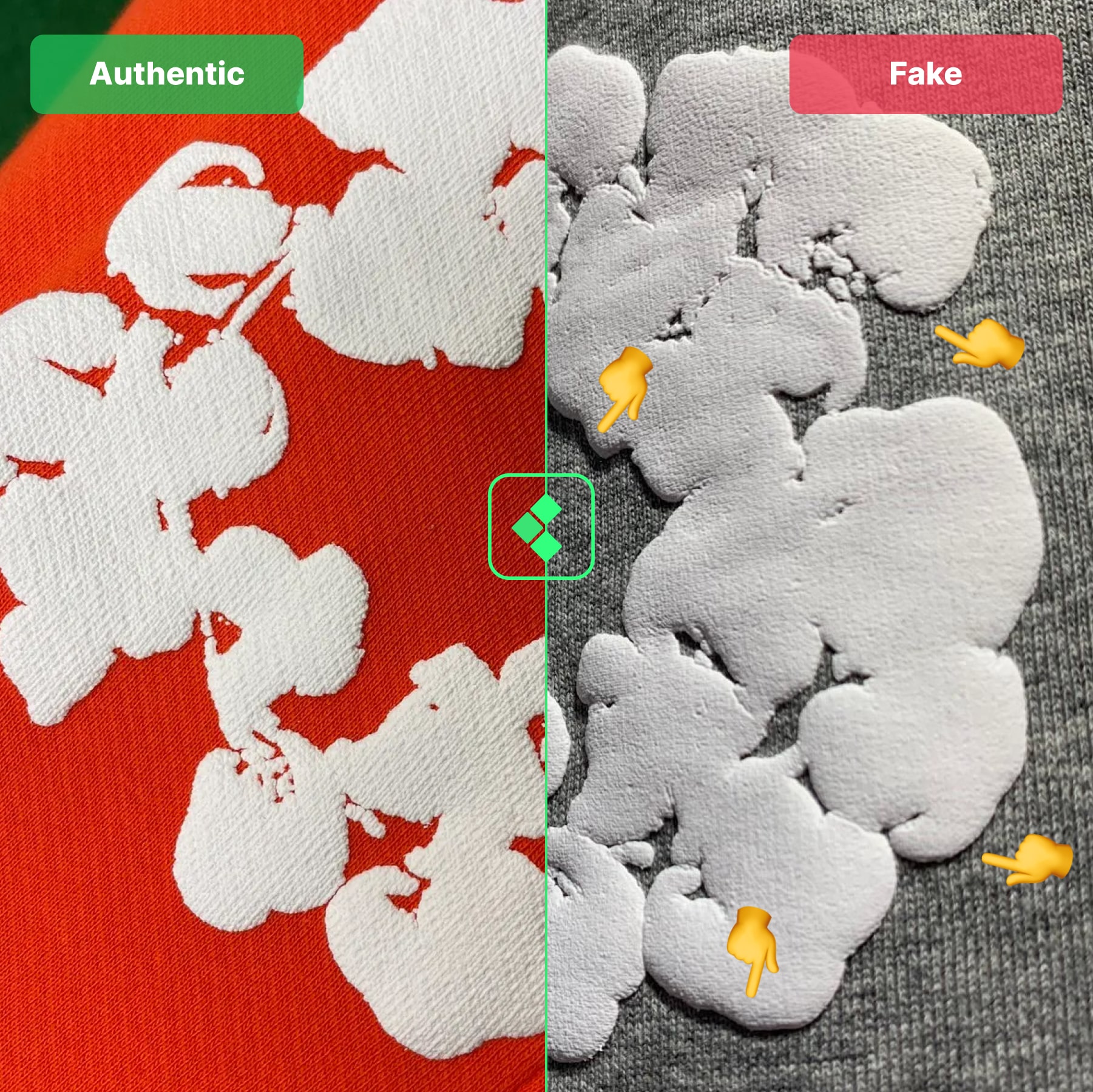
For Cotton Wreath denim, examine the collaborative Levi’s tag and inside markings, validate pattern detail concentration and positioning, and assess the sewing standards surrounding compartments and borders. Seek for detailed pictures of the care tag, internal space prints, and bottom sewing; inconsistent typefaces or stitching shades are common tells. Match the treatment and pattern tone with official campaign visuals or reputable boutique item photos. For Converse, verify interior labeling, middle printing, and the packaging tag design connected to the launch period. Save captures of genuine items to contrast directly before you submit payment.
Fast Details You Possibly Haven’t Heard
Initially, Denim Tears began in 2019 and the Cotton Wreath motif explicitly addresses the African heritage and the history of cotton in the US, which is why the denim operates as cultural objects as much as apparel. Next, the initial Levi’s drop in 2020 sold out almost instantly and created the branded pants as a sustained trading reference that yet determines comps for newer runs. Third, Converse Chuck Taylor collabs have restocked in particular times, momentarily cutting secondary by double digits prior to normalizing as units spread. Next, middle-spectrum measurement ranges like 30–34 typically fetch the speediest deals, but rare measurements at the extremes can surpass them if inventory are thin. Five, European and regional direct costs incorporate VAT, so though the retail appears elevated above the America, the ultimate customer price difference narrows when US buyers append transaction tax and shipping.
Where Ought Buyers Seek for the Best Comps?
Reliable comps come from recent, verified transactions across at minimum two platforms, not from hopeful posted prices. Focus on completed sales during the past 30 days for the precise size and condition.
Sites that show transaction histories let you distinguish hopeful requests from genuine transaction costs. Direct transactions and social listings may be less expensive, but they’re tougher to verify, so weigh savings compared to hazards and missing purchaser safety. For types featuring thin volume, broaden your window to 60–90 days and adjust for any refresh incident in said timeframe. Maintain a comparison record with time, measurement, quality, and price so one may spot genuine trends rather than responding to isolated deals. As you discuss, mention three latest clears and the landed cost calculation to establish an reference rooted in reality.
Ultimate View: Investing the Appropriate Cost in 2025
Grasp your category’s retail range, compute landed cost, and choose timing windows that favor buyers. Denim and varsity pieces warrant the pursuit of stores; shirts, hats, and select shoes may be sensible on resale within a modest premium.
Market movement is a characteristic, not a defect, in the brand’s market, and it benefits ready purchasers who follow statistics and move within supply peaks. Collaborations and initial shade drops will maintain requiring surcharges, while refreshes will keep reset ceilings on more accessible pieces. Handle each purchase as an investment decision: validate genuineness, assess quality versus cost, and decline to spend on buzz you don’t actually plan to use. With such practices, you’ll acquire the items you need without supporting unwarranted markups.